

Backyard poultry and its products have great demand in Indian conditions but require right market. Although individual farmers may face some problem in marketing of backyard poultry, community based approaches like Self Help Groups (SHG), Farmer Producer Organizations, Poultry cooperatives etc. act as the right solution in marketing of birds keeping the middlemen sidelined.
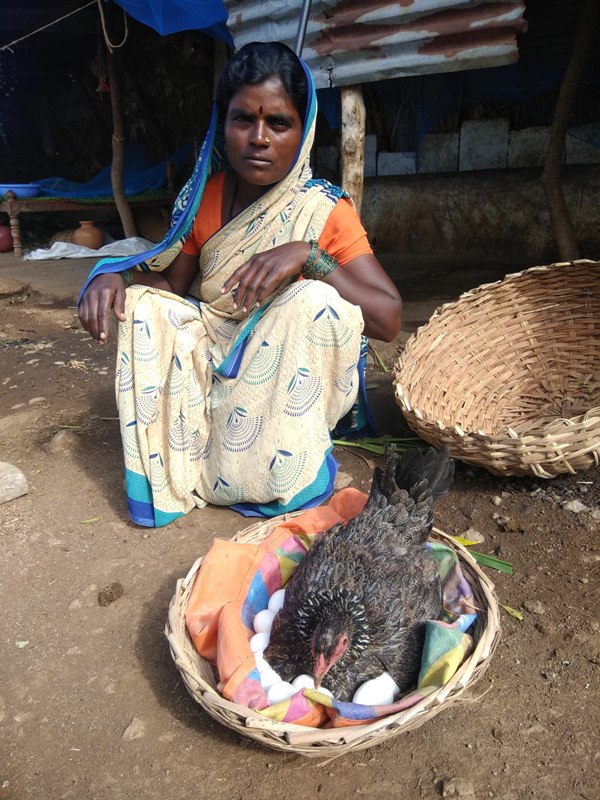
Backyard poultry farming is a traditional, small-scale system of rearing poultry birds under free-range or semi-intensive conditions in rural and peri-urban areas of India. It plays a vital role in livelihood security, nutritional improvement, and rural employment generation, especially among landless farmers and women. Despite rapid growth of the commercial poultry sector, backyard poultry still contributes significantly-accounting for nearly 18–20% of total egg production in India and serving as a supplementary income source for millions of households.
Backyard poultry requires minimal initial capital investment, as birds are reared with locally available materials and scavenging feed resources.
This results in:
Backyard poultry acts as a “walking bank”, providing instant cash through sale of eggs, Sale of live birds or meat and Sale of chicks and breeding stock during emergencies.
The poultry sector contributes significantly to India’s agricultural GDP and employment.
Fixed Costs:
Variable Costs:
Compared to commercial systems, feed cost is substantially lower due to scavenging.
Profitability depends on
Improved breeds like Giriraja, Vanaraja, and Gramapriya yield higher returns due to better egg production and growth performance.
Marketing in backyard poultry is largely,
Farmers generally sell:
Typical marketing channels include,
Short supply chains ensure:
Backyard poultry products (especially “desi” eggs and meat) fetch premium prices due to:
Urban consumers often prefer indigenous poultry, leading to price differentiation in markets.
Demand drivers include,
India also has a protein deficit, boosting demand for eggs and poultry meat.
Opportunities exist in,
Government schemes also promote backyard poultry units with buy-back arrangements, improving market linkage.
Backyard poultry is predominantly managed by rural women, contributing to:
SHG-based poultry models enhance:
Various government initiatives support backyard poultry
These interventions aim to enhance productivity, strengthen marketing linkages and improve farmer income.
Backyard poultry has strong future potential due to,
It can serve as a sustainable livelihood model when combined with scientific management, breed improvement and market-oriented production.
Backyard poultry farming in India represents a low-cost, high-impact enterprise with significant economic and marketing potential. It plays a crucial role in:
However, improving market access, productivity, and institutional support is essential to fully realize its economic benefits. With appropriate policy interventions and value chain development, backyard poultry can become a key driver of rural economic growth.